
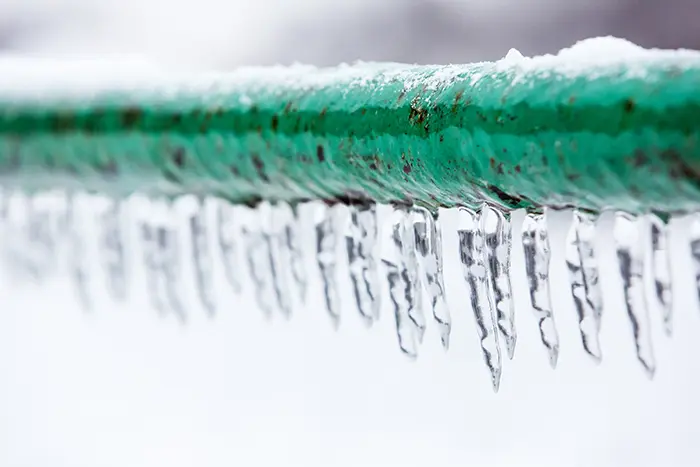
Power Outage in an Ice Storm? How to Prevent Burst Pipes
Extended power outages and freezing temperatures can strike at any time during the winter months. If you find yourself without power for a prolonged period during icy conditions, it’s critical to take immediate steps to protect your home and prevent frozen or burst pipes.
If you’re an insurance customer or homeowner in the affected areas, don’t wait until it’s too late. Taking action now can help reduce the risk of major property damage, especially if you have to leave your home due to a power outage. In winter months, it’s good to be aware of pipes that are vulnerable to freezing around your home and weatherproofing them. Since water expands as it freezes, a frozen pipe can cause serious damage if it breaks or bursts.
Immediate Steps to Protect Your Pipes
• Shut off your main water valve: If you must leave your home due to unsafe conditions or loss of heat, be sure to shut off your main water supply and open all faucets to drain your pipes before you go. This is one of the best ways to prevent water damage while you’re away.
• Adjust your thermostat: If you stay home, keep your thermostat set to the warmest safe temperature.
• Let faucets drip: If you are home, let faucets drip to keep water moving through exposed pipes.
• Open cabinets: Keep cabinets open under sinks to allow warmer air to circulate.
• Insulate pipes: Use towels or blankets if necessary to keep unheated areas warm.
These simple steps can dramatically reduce the risk of pipes freezing and bursting during prolonged outages and extreme cold.
Additional Tips To Weatherproof Your Home And Reduce The Risk Of Freezing Pipes:
Identify Vulnerable Areas: Assess the areas in your home most vulnerable to freezing. Pipes in areas such as crawl spaces and basements, or running along exterior walls, are most vulnerable to freezing.
Insulate Outdoor Pipes: Wrap outdoor pipes with insulation or newspaper. Drain in-ground sprinkler systems and remove, drain, and store any outdoor hoses.
Insulate Basements and Crawl Spaces: Properly insulate basements and crawl spaces to prevent them from reaching freezing temperatures. If you have a garage, keep the doors closed to protect any plumbing that is routed through it.
Keep Cabinet Doors Open: For kitchen and bathroom plumbing, keep cabinet doors open to allow warm air to circulate.
Maintain a Constant Temperature: Set your thermostat to a constant temperature throughout the day and night to save on your heating bill and protect your interior pipes.
Know Where the Water Shutoff Valve Is: Locate your home’s primary water shutoff valve and be prepared to shut it off immediately if any pipes freeze or burst.
Let Faucets Drip: If temperatures fall below zero, leave water running at a trickle from faucets served by exposed pipes, which can help to prevent them from freezing.
What To Do If Your Pipes Freeze, But Do Not Burst:
If you find that your pipes have frozen but haven't burst yet, don't worry! Acting swiftly can help prevent further problems. Here are some friendly steps to take in thawing your pipes and reducing the risk of bursting:
Keep the Faucet On: Open the faucet connected to the frozen pipe. Letting water flow as you thaw the pipe will help melt the ice and ease the pressure.
Apply Heat: Grab a hairdryer, heat lamp, or portable heater to gently warm the frozen section of the pipe. Start from the faucet end and work your way towards the frozen spot. Do not use open flames or high-temperature heating devices.
Wrap with Towels: Grab some towels and soak them in warm water. Wrap them around the frozen pipe to speed up thawing. Don't forget to replace the towels as they cool down.
Apply Warm Compresses: If you have them handy, place warm compresses or hot water bottles directly on the frozen pipe. This cozy warmth will help melt the ice faster.
Turn Up the Heat: Crank up the thermostat in your home for extra warmth. This will raise the overall temperature around the frozen pipe.
Monitor Thawing: Keep a close eye on the thawing progress. You may notice water starting to flow as the ice melts away. Once the water flows freely, the pipe should be thawed.
Check for Leaks: After the pipe has thawed, give it a careful check for any signs of leaks or cracks. If you spot any damage, it's crucial to address it promptly and shut off the water supply.
Avoid Using Appliances: If a leak occurs, avoid using appliances near the frozen pipe. You could be electrocuted if you use electric appliances near standing water.
Remember, if you're unsure about dealing with frozen pipes or if things seem to be worsening, don't hesitate to call a plumber. Taking quick action can minimize the risk of bursting pipes and potential water damage to your home.
Prevent Property Damage From Burst Pipes
Save yourself the headache of fixing damage from burst pipes by prepping your home for the winter. Chat with your local agent or read about our home insurance policies to learn more about how Farm Bureau Insurance of Tennessee can help you protect your home.


